Presentations and discussion
Networking and connecting
Learning and workshops
Data Day is an annual event, all-day educational conference, hosted by Data You Can Use. Our 2026 theme, The Power of Local Data, underscores the importance of investing in local data infrastructure to ensure Milwaukee communities have access to reliable, trustworthy, and community-centered data for years to come. Through hands-on workshops and dynamic presentations, attendees will gain practical tools and insights to support equitable policies, practices, and systems change. Join researchers, practitioners, advocates, and community leaders as we unlock the power of data to increase data access for all.
Data Day 2026: The Power of Local Data

Wednesday, October 7th, 2026 at Discovery World Museum from 8am-4pm
Countdown to Data Day 2026!
Day(s)
:
Hour(s)
:
Minute(s)
:
Second(s)
Become a Data Hero TODAY!
Reasonable Accommodations
Data You Can Use is committed to providing the highest degree of accessibility when offering agency-sponsored events. Please notify our team at [email protected] with your disability-related accommodation requests, three weeks before the event. We will do our best to honor accommodation requests made after this date.

Full Program Available Now
The Data Day 2026 program is now available! This year we’re starting our day with hands-on workshops, followed by our Ignite Presentations, Data Dream pitches, and a keynote panel featuring data experts from across the country
This year, we’re diving into The Power of Local Data. As federally funded data becomes increasingly unreliable, locally sourced data is more important than ever. By investing in local data collection and sharing, we can fill critical gaps and support more strategic, neighborhood-level change.
Join us to learn from industry professionals, connect with organizations doing impactful work across Milwaukee, and share your own superpowers with others.


When: Wednesday, October 7, 2026
Time: 8:00am – 4pm
Where: Discovery World – 500 N Harbor Dr, Milwaukee, WI 53202
Agenda:
8:00am Registration & Breakfast
9:00am Welcome Remarks
9:15am Data You Can Use Presentation
9:45am Data Dream Finalists Video Presentation 1
10:00am Workshops
A.) Making the Case: Using Local Data to Strengthen Grant Proposals
B.) From Data to Impact: Communicate in a way that inspires local change
C.) Unlocking Milwaukee Data: Searching, Downloading, and Mapping with the Data You Can Use Hub
11:15am Ignite Presentations
12:00pm Lunch
12:45pm Energizer and Remarks
1:15pm Keynote Panel
– Moderator: Kathy L.S. Pettit, NNIP Co-Director, Urban Institute
– Kate Eikel, Data Integration Startegist, CTData Collaborative
– Nikolai Elneser, Community Impact Officer, Neighborhood Nexus
– Robert Gradeck, Project Director, Western Pennsylvania Regional Data Center
– Dr. Midas Hampton, Founding Executive Director, Stratetic Spartenburg
2:30pm Awards & Closing
3:00pm Data You Can Booze Happy Hour
Keynote Panel: The Power of Local Data
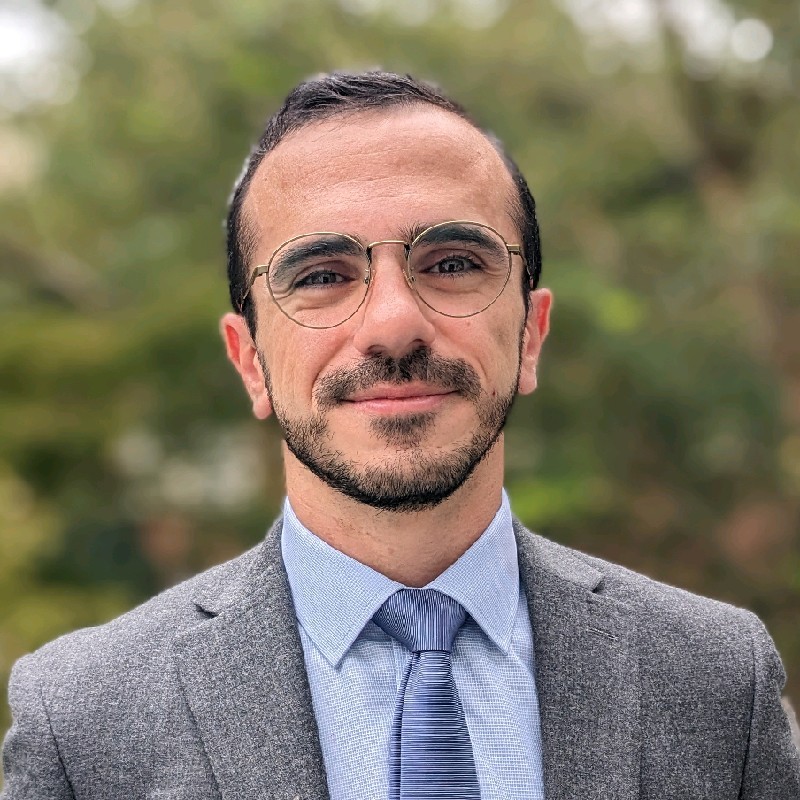
Nikolai Elneser
Community Impact Officer, Neighborhood Nexus
Robert Gradeck
Project Director, Western Pennsylvania Regional Data Center

As Community Impact Officer at Neighborhood Nexus, Nikolai helps social impact organizations advance equity in Georgia by building strategic partnerships, developing accessible data tools, and elevating community voices to inform decision-making. A Venezuelan urbanist and Fulbright Scholar, he holds a Master’s in Public Policy and has worked across urban planning, violence prevention, and hunger relief, with a focus on how communities organize to address complex challenges. At Neighborhood Nexus, he led the development of Georgia’s State of the Latino Community Report, the Atlanta Community Response and Diversion Data Dashboard, and a statewide immigrant business owners’ needs assessment, among other initiatives that have informed decision-making and strengthened advocacy efforts across the region.
Robert Gradeck has spent his career helping people find and use civic information. He manages and co-founded the Western Pennsylvania Regional Data Center (WPRDC) at the University of Pittsburgh. The WPRDC is an inclusive open data partnership between the University, Allegheny County, and the City of Pittsburgh. WPRDC helps to inform many community initiatives in the areas of health, housing, environmental protection, transportation, and social justice. He is a member of the Civic Switchboard project, which helps libraries and library workers become participants in civic data initiatives, participates in the National Neighborhood Indicators Partnership, and finished third in the 2021 Pennsylvania Farm Show butter sculpture competition.
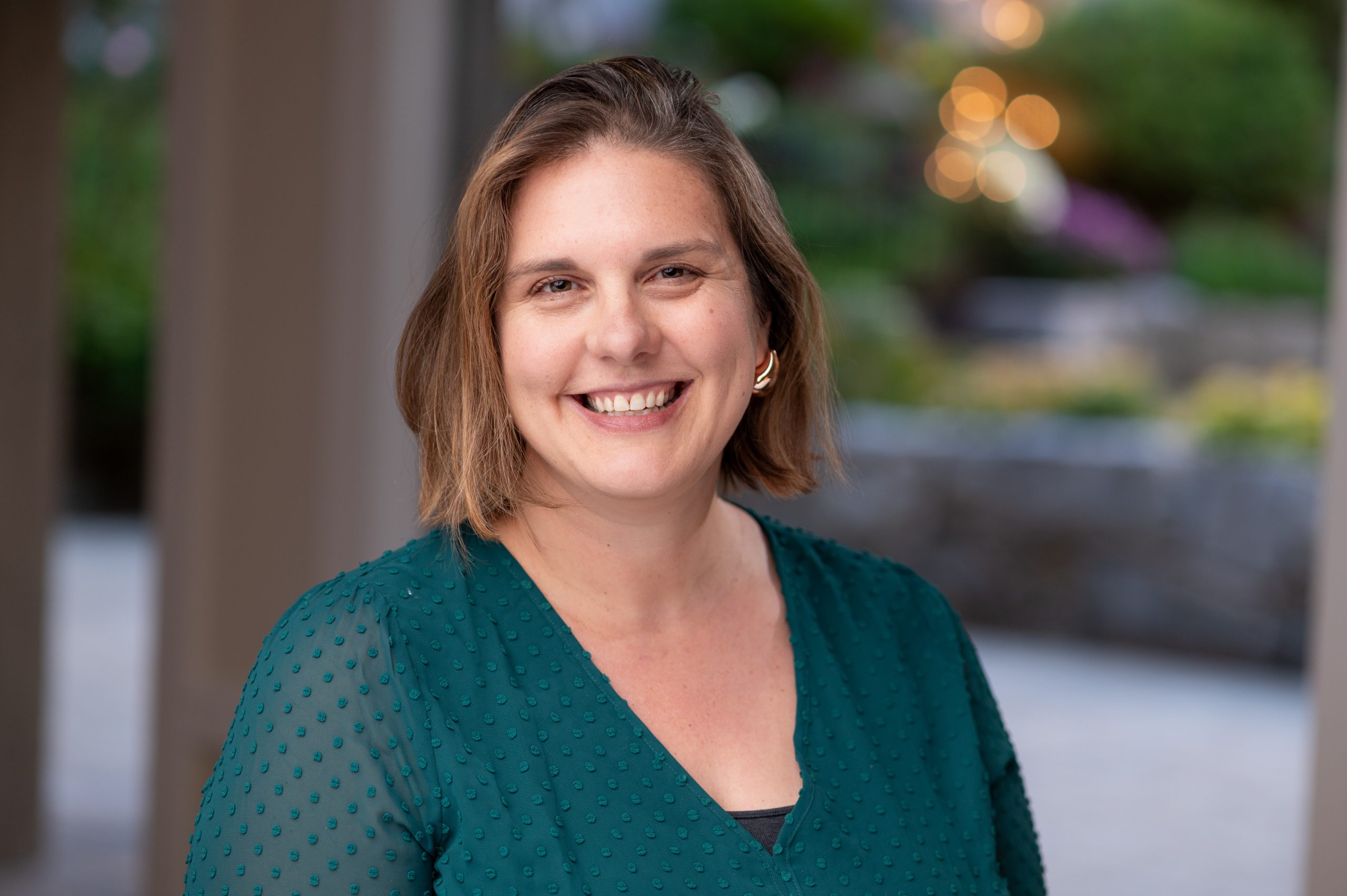
Kate Bittinger Eikel
Data Integration Strategist, Hartford Data Collaborative
Dr. Midas Hampton
Founding Executive Director, Strategic Spartanburg

Kate Bittinger Eikel serves as the Data Integration Strategist for the Hartford Data Collaborative, an integrated data project at CTData working with nonprofit organizations, public agencies, and philanthropic partners in Hartford. As Director of the Hartford Youth Data Fellowship program, she recruits and trains Hartford youth ages 17-24 in data analysis and research skills to co-develop community projects. Her prior experience includes program evaluation and project management in the private, nonprofit, and public sectors. Kate holds a bachelor’s degree from Barnard College, Columbia University and a master’s in public policy from the University of Chicago – Harris School of Public Policy.
Dr. Midas Hampton is a scholar-practitioner and the Founding Executive Director of Strategic Spartanburg, Inc., a nonprofit research organization that leverages data and evidence to improve quality of life in Spartanburg County and beyond. Grounded by a defining question: Why does where you live matter more than your DNA? He has led the transformation of one of the nation’s longest-running Community Indicators Projects into an independent research organization that informs decision-making across seven domains of community well-being.
With a background spanning direct service, community development, research, evaluation, and public policy, Dr. Hampton bridges research and practice to help communities turn evidence into action and action into lasting change. A nationally recognized voice in community indicators and place-based change, he has secured and managed millions in grants and contracts, advised local and national initiatives, and provided technical assistance to nonprofits, small businesses, public agencies, and philanthropic organizations.

Keynote Panel and Q&A Moderator
Kathryn L.S. Pettit, NNIP Co-Director, Urban Institute
Kathryn Pettit is a senior fellow in the Housing and Communities Division at the Urban Institute, where her research focuses on neighborhood change and how communities use data for more effective and equitable decisionmaking. Pettit is a recognized expert on several small-area local and national data sources and on the use of neighborhood data in research, policymaking, and program development. She has conducted research on many topics, including neighborhood redevelopment, federally assisted housing, and local housing markets and conditions.
Pettit directs the National Neighborhood Indicators Partnership (NNIP), a network of more than 30 local organizations that helps local communities use data to shape strategies and investments so that all neighborhoods are places where people can thrive. She also coleads the Local Data for Equitable Communities annual grant program, which supports nonprofits to use data to catalyze local action.
Workshops
Making the Case: Using Local Data to Strengthen Grant Proposals
Amanda Aliperta and Meghan Roesner Newton, Momentum Nonprofit Strategies
Join Momentum Nonprofit Strategies for a practical session on how data can strengthen your grant strategy and competitiveness with funders. We will share Momentum’s story and our partnership with Data You Can Use, along with a case study of our work together. The session will cover what must be in place before applying for grants, including organizational readiness, funder alignment, relationship-building, and strong proposal development, then shift to how to effectively use DYCU reports and local data to demonstrate need, build a compelling case, and respond to funders’ expectations for clear, credible evidence.
Amanda Aliperta

Meghan Roesner Newton

Amanda Garry Aliperta is Founder and Principal of Momentum Nonprofit Strategies, bringing 20 years of nonprofit experience. Her expertise includes donor relations, board engagement, corporate and foundation relations, grant writing, and development strategy. Previously, as Development Director at Safe & Sound, she helped significantly diversify the organization’s revenue through increased private fundraising. Since launching Momentum in 2020, Amanda has helped clients raise millions of dollars, including more than $1.5 million through ARPA funding. She has also held development roles at Vivent Health, UPAF, and Marquette University. Amanda graduated cum laude from Marquette University with degrees in Theatre and Communication Studies.
Meghan Roesner Newton is a nonprofit professional with more than 12 years of experience helping organizations secure foundation, corporate, and government support. Her work spans a wide range of nonprofit fields, from arts and culture to human services. With expertise across fundraising and development, Meghan specializes in grant writing and brings extensive knowledge of Wisconsin’s philanthropic landscape. In two years with Momentum Nonprofit Strategies, she has secured grants totaling more than $2.2 million on behalf of 10 organizations. She is a Milwaukee native and holds a Bachelor of Science from Indiana University.
From Data to Impact: Communication in a way that inspires local change
Kaitlin Henze, Education and Outreach Specialist, Storytelling with Data
Organizations of all kinds—nonprofits, community groups, and corporations—collect valuable local data, but numbers alone don’t drive change. In this interactive session, Kaitlin Henze of Storytelling with Data will show you how to transform your own data into clear, compelling visuals and stories that capture attention and inspire action. Participants will learn practical tools for communicating data effectively and be introduced to a core Storytelling with Data concept: the Big Idea worksheet. You’ll have time to craft your own Big Idea and receive feedback from peers, making the session immediately applicable to your work. Designed for a diverse audience—including nonprofit leaders, community organizers, data analysts, and corporate teams—this session is hands-on, practical, and relevant across sectors.
Slides for this workshop are not available. However, here are a few resources that can help!
1.) The Big Idea — This blog post explains the Big Idea. Cole then shares how to use AI as a thought partner when forming your Big Idea
2.) Storyboarding — This blog post discusses the low-tech planning process
3.) Chart Guide — for those who want to learn how to create different types of graphs
4.) 5 slide slip-ups — this video shares the most common pitfalls we see
5.) Slides sent instead of presented need takeaway titles and enough text to make sense without you. Learn how many words are appropriate and how to create takeaway slides if you are not presenting live.
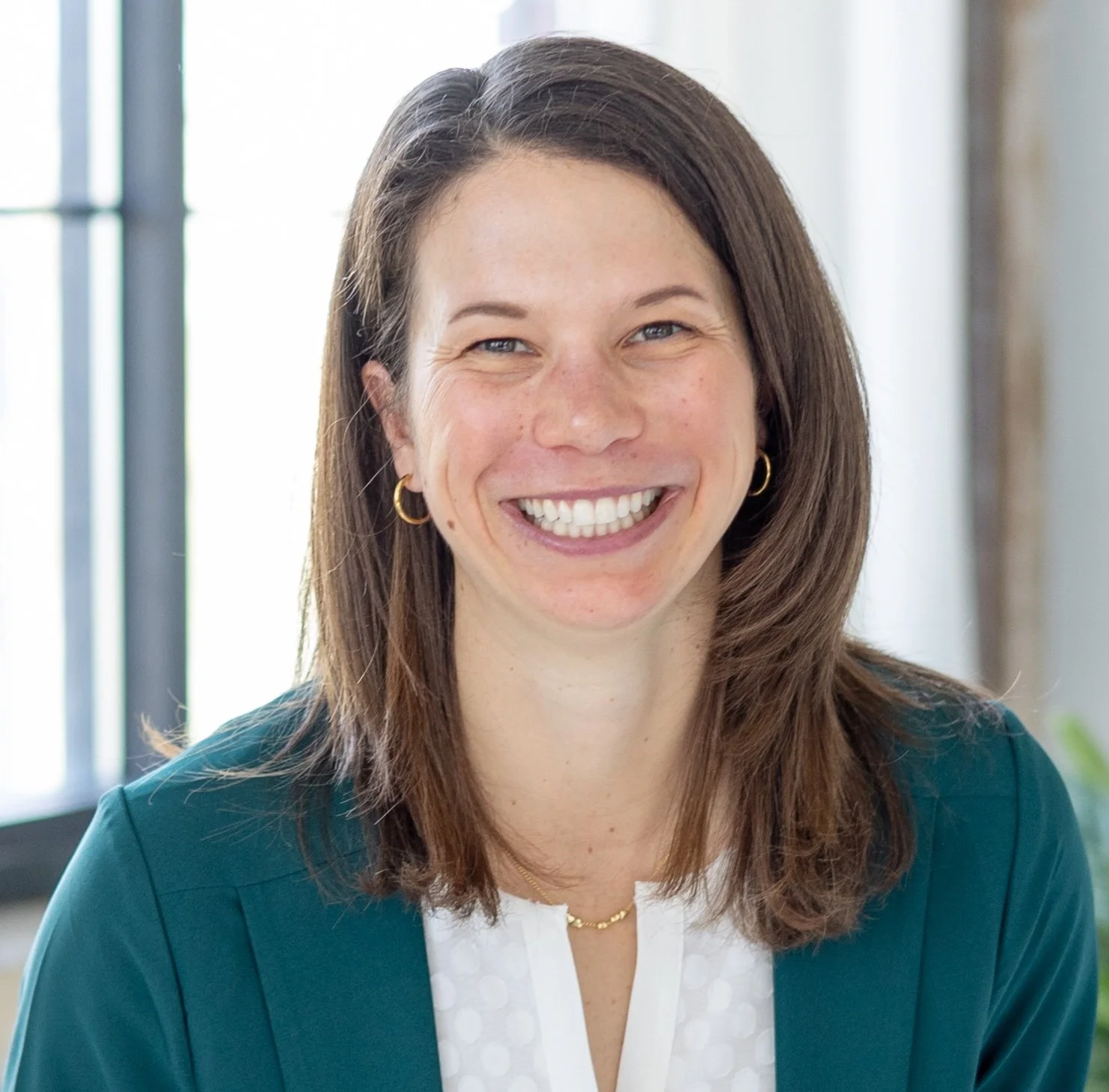
I empower kids with critical thinking and problem-solving skills by teaching the superpower of data storytelling. Through the fun and inspiring book Daphne Draws Data, kids and educators learn data visualization and communication skills in a colorful, engaging way. I lead interactive programs, build strategic partnerships with mission-aligned organizations, support museum partnerships with our Daphne exhibit, and manage our global Data Detectives program to expand our reach. With a background in change management, business development, and strategic planning, I design creative solutions and build meaningful relationships to help grow the next generation of data-minded leaders.
Building & Using the Milwaukee Wealth Index
Presented by, Amanda Beavin and Amy Rohan, Data You Can Use
The DYCU Hub is a public collection of datasets, tools, visualizations, and reports created by Data You Can Use and our partners. The Hub was developed to improve access and usability of data for Milwaukee’s data users, including nonprofit and foundation staff, researchers, analysts, students, journalists, residents, and more. A 100% free and publicly accessible resource, the Hub unlocks the ability to download, transform, and use data in a powerful new way. This practical session will overview step-by-step instructions on how to navigate the DYCU Hub to find and use the data you need.
At the end of the session, participants will be able to:
1.) Effectively find datasets of interest in the data catalog
2.) Download analysis-ready datasets in a variety of formats
3.) Produce quick insights and visualizations
4.) Create a presentation-ready map featuring data from the DYCU Hub’s catalog and custom data points
This session is a great fit for individuals at any level who enjoy digging in and exploring data. Participants will gain skills that will aid them in finding, accessing, and effectively using data for their work.
Participants who wish to follow along throughout the workshop may bring a laptop or a tablet, though access to a device is not mandatory for participation.
Amanda Beavin

Amy Rohan

Amanda Beavin is the Program Manager for Community Data and Research at Data You Can Use. With expertise in community organizing, geographic information systems (GIS), and sociological research, she works at the intersection of community engagement and geospatial research. Amanda builds accessible mapping platforms, develops engaging data visualizations, and creates community engagement strategies that help organizations use data and stories to inform decisions, strengthen impact, and advocate for change. She holds master’s degrees in Public Administration and Geography from Syracuse University and bachelor’s degrees in Sociology and Geography from Western Kentucky University. Originally from Louisville, Kentucky, Amanda is passionate about community-engaged research.
Amy Rohan is the Program Manager for Data Access and Community Engagement at Data You Can Use. A geographer, Amy values the role of spatial relationships in creating equitable outcomes for Milwaukee residents. She is passionate about engaging residents around issues they identify as priorities and incorporating their voices into data collection and sharing. At Data You Can Use, Amy convenes data user groups, develops publicly available data resources, and partners with community-based organizations on housing, health, and neighborhood development initiatives. She holds a bachelor’s degree in Geography from the University of Wisconsin-Milwaukee and has called Milwaukee’s Riverwest neighborhood home for more than 25 years.
Ignite Presentations
Where Housing Gets Stuck: Using Local Data to Track Milwaukee’s Permit Process
Presented by, Solana Patterson-Ramos, Together for Homes and Ezra Haugabrooks, ReadyAimGo
Together for Homes has developed a public-facing dashboard that transforms City of Milwaukee housing permit data into actionable insights. The tool visualizes permit timelines, development trends, and project activity, enabling residents, developers, advocates, and policymakers to understand the housing development process, identify bottlenecks, and support data-informed decisions that advance housing production.
From Data to Voice: Building a Summer Around What Black Boys Told Us
Presented by, Aziz Abdullah, Founder & CEO, INPOWER
What happens when we move beyond counting violence and start listening to the young men living through it? This presentation follows our journey from quantitative data to qualitative insight, the creation of a youth listening platform, and how those voices directly informed a summer of programming, investment, and action.
Is Something Burning in Here? How Outdoor Air Impacts our Indoor Air Quality
Presented by, Danika Hill-Paulus, Co-Executive Director, MKE FreshAir Collective
Wildfire smoke has impacted Milwaukee summers for three of the past four years. It’s not just outdoor air quality that becomes unhealthy – it’s often just as bad inside your home as well. Learn how outdoor air pollution affects indoor air, including a case study of my home’s indoor air quality during the recent wildfire smoke events, and community solutions to future hazardous air quality events.
How Data Influences Decision Making at Public Institutions
Joey McMahon, Research and Policy Coordinator, Milwaukee Public Library
By using both data collected internally and by partnering with local organizations and universities, the Milwaukee Public Library (MPL) has a robust data ecosystem to pull from when making informed decisions. This multi-faceted approach is what allows MPL to best reflect the communities that it serves.
Data Dream Finalists
Metcalfe Park is one of Milwaukee’s most climate-vulnerable neighborhoods, with significantly higher temperatures, limited tree canopy, aging infrastructure, and extensive impervious surfaces. Metcalfe Park Community Bridges’ Data Dream is to support its Cool Plan by collecting neighborhood temperature data and creating maps that identify heat hotspots and illustrate how climate change affects residents. This information will guide targeted investments such as expanded tree canopy, greener streets and vacant lots, cooler bus stops, and other climate resilience strategies. By combining resident knowledge with data, the project will help secure resources and inform solutions that improve neighborhood health and environmental sustainability.
FAST Fund at Milwaukee Area Technical College (MATC) helps students stay enrolled by covering unexpected financial emergencies—such as car repairs, utility shutoffs, or rent gaps—that might otherwise force them to leave school. FAST Fund’s Data Dream is to transform nearly a decade of emergency assistance data into evidence demonstrating the impact of these investments on student persistence, graduation, workforce participation, and economic mobility. With Data You Can Use’s expertise, FAST Fund seeks to develop a theory of change, key performance indicators, and compelling data visualizations that strengthen decision-making, support fundraising, and demonstrate that emergency assistance is a strategic investment in Milwaukee’s workforce.
YWCA Southeast Wisconsin’s Data Dream is to transform the information collected from participants into a dynamic picture of community needs. While the organization provides workforce development, employment, and adult education services, participant data also reveals broader challenges, including food and housing insecurity, transportation barriers, limited digital access, and childcare needs. With stronger data analysis and visualization tools, YWCA SEW will create compelling data stories that help community leaders, partners, and policymakers better understand these interconnected issues. By making these needs visible, the organization can strengthen partnerships, inform innovative solutions, and advance equitable outcomes across the communities it serves.

Community Advocates’ Milwaukee Women’s Center seeks to answer a critical question in violence prevention: What is the long-term impact of evidence-based batterer intervention programs on reducing repeat domestic violence and criminal recidivism? Since 1983, the Nevermore Batterers Intervention Program has been one of Wisconsin’s leading evidence-based programs, serving individuals ordered into treatment through the courts. By combining decades of program data with criminal justice and court records, the organization hopes to measure long-term outcomes, identify factors that support lasting behavior change, strengthen program effectiveness, and provide valuable insights to inform violence prevention efforts across Wisconsin.
Thank you to our Data Day Sponsors:
Community Advocate Sponsors


Community Sustainer Sponsors
Community Partner Sponsors
Nonprofit Sponsors
Hmong American Friendship Association
HIR Wellness Institute
Ascénto (formally Hispanic Professionals of Greater Milwaukee)
Urban Economic Development Association (UEDA)
Learn about past Data Days!
2024 - Measures and Movements: Using Data to Spark Change
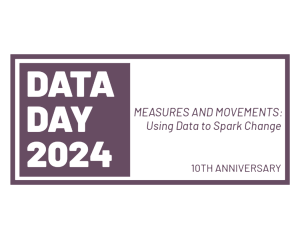
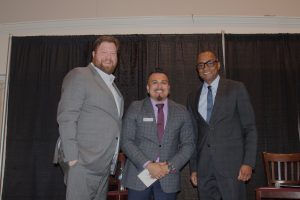
Data Day 2024 marked the 10th Anniversary of Data Day! On October 23rd, we welcomed over 400 attendees. The theme was “Measures and Movements: Using Data to Spark Change.” Our keynote speaker was Jesse Van Tol, the President and CEO of the National Community Reinvestment Coalition (NCRC). After the keynote address, Greg Wesley, President and CEO of the Greater Milwaukee Foundation, provided a response and moderated a Q & A session with Jesse. During the keynote, Jesse demostrated the online interactive data tool “Home Mortgage Disclosure Act Longitudial Dataset” which allows users to investigate the historical impacts of redlining and disinvestement through new geographical alignment across multiple decades of mortgage resporting over fourty years by census tract.
Data Dreams were awarded to two finalists at the event – Clean Wisconsin and Sherman Phoenix. Clean Wisconsin’s data dream is to provide a comprehensive, evidence-based evaluation of the local impact of green infrastructure in Milwaukee’s northwest side, incorporating an analysis of what environmental determinants of health are driving health inequities among the community and in the state of Wisconsin. Sherman Phoenix’s data dream is to employ precise measurement and data collection methods to effectively track the impact of our initiatives and validate the critical role we play in providing essential support to Black and brown small businesses seeking funding and assistance. They aim to identify the key indicators to substantiate their mission and facilitate the continuous improvement of their programs.
Moderated by Andrés Gonzalez, Vice President of Community Engagement and Chief Diversity Officer at Froedtert ThedaCare Health, Inc., the afternoon panel focused on the ways that local organizations used data to advance community health. The panelists represented organizations from sectors along the spectrum of social determinants, such as housing, education, healthcare, community-based development, and the built environment. The panel was made up of Antonio Butts, Executive Director of Walnut Way Conservation Corps, Anne Christiansen, Executive Director of Milwaukee Healthcare Partnership, Stephanie Maney-Hartlaub, PhD, Executive Director of City Year Milwaukee, and Teig Whaley-Smith, Executive Director of the Community Development Alliance. Highlights from the conversation include how each organization was utilizing data to advance their mission. For example, the Community Development Alliance compiles data on the individuals going through homebuyer counseling, grouped by neighborhood and political districts. They recently used this data as an advocacy tool with the Milwaukee Common Council when the city was considering cutting the home loan assistance budget considerably. Other examples of how panelists were utilizing data included measuring individual student progress, creating awareness and planning among community members, and guiding strategies for coalition-building.
2023 - Journey to Justice: Using Data for Systems Change in Milwaukee
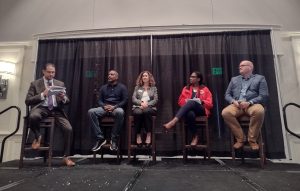
Data Day 2023 took place on October 18th at the Italian Community Center, with 300 attendees. The theme was “Journey to Justice: Using Data for System chance in Milwaukee.” Our two keynote speakers were Cashauna Hill and Dr. Tonya Howard Calhoun. Cashauna Hill is the Executive Director of the Redress Movement, and previously served as the Executive Director of the Louisiana Fair Housing Action Center. The Redress Movement is committed to leading a multi-racial movement that empowers communities to take director action to redress racial segregation. Dr. Tonya Howard Calhoun is the Director of the Environmental Defense Fund’s (EDF) Office of Community Collaboration & Engagement. EDF is a global nonprofit tackling climate change through bold, game-changing solutions which put people at the center.

Data Dreams were awarded to two finalists at the event – Milwaukee Community Land Trust and Milwaukee Food Council. The Milwaukee Community Land Trust’s data dream is to compare the wealth created for families in three different scenarios: rental / fair market / community land trust. Using Milwaukee housing historical data to create a ten year comparison of the different scenarios, they hope to to inform potential homebuyers’ decision-making and the general public’s understanding of the land trust model. The Milwaukee Food Council’s data dream is to create a social network map of the pre-existing programs, policies, organizations, and businesses within the complex food system of Milwaukee to determine if they are meeting public need. Through facilitating dialogue among organizations doing overlapping work, they seek to mitigate the historical and systemic barriers that inhibit individuals from accessing nutritious, healthy food by fostering an organizations of shared resources and collaboration.